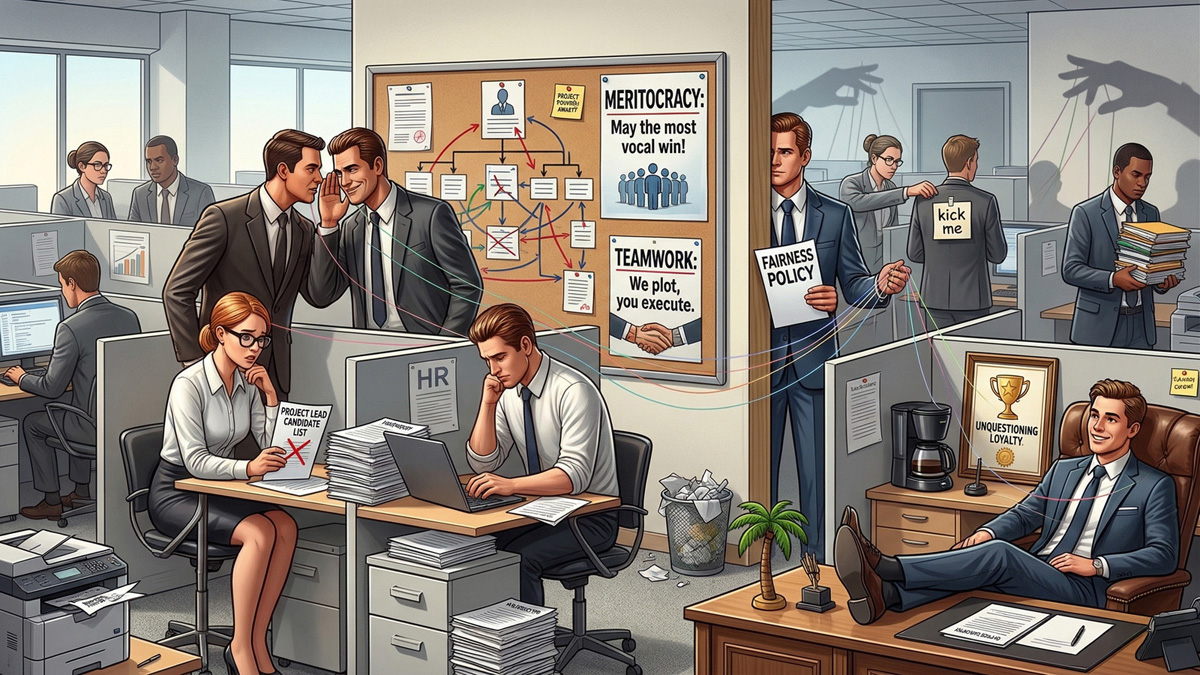
Vikram read the Arthashastra during a particularly brutal quarter at work. His team was being reorganised. Two peers were competing for the same expanded role. His skip-level manager had changed and the new one was an unknown quantity. He picked up the book expecting philosophy. He found an operations manual for exactly his situation.
Five principles that applied directly.
One: Sama (Conciliation). Before any confrontation, exhaust dialogue. Chanakya prioritised negotiation not because he was gentle but because conflict is expensive. Vikram had been avoiding a direct conversation with the peer competing for the same role. The avoidance was escalating the tension. He had lunch with the peer. They didn’t resolve everything. They established that neither wanted the situation to become destructive. That alone reduced the cost of the competition by half.
Two: Dana (Strategic generosity). Share credit deliberately and visibly. Chanakya used generosity as a positioning tool. Vikram started naming his peer’s contributions in leadership meetings. Not sycophancy. Accurate attribution delivered in public. It built trust and made the competition look collaborative rather than adversarial. Leadership noticed.
Chanakya didn’t treat politics as dirty work. He treated it as the operating system of any group of humans with unequal power. Ignoring the operating system doesn’t make you noble. It makes you ineffective.
Three: Bheda (Division of threats). Identify which opposition is structural and which is personal. Some conflicts exist because the system creates them. Vikram and his peer weren’t natural enemies. The reorganisation had forced them into competition. Recognising this structural cause prevented the conflict from becoming personal.
Four: Upeksha (Strategic inaction). Not every provocation requires a response. Chanakya was explicit: sometimes the most powerful move is visible non-reaction. When the office rumour cycle named Vikram as the frontrunner, his peer made a pointed comment in a meeting. Vikram let it pass. The comment revealed more about the speaker than the target. Silence was the response and it was devastating.
Five: Kala (Timing). Every action has an optimal moment. Vikram waited three weeks after the reorganisation dust settled before formally expressing his interest in the expanded role. By then, leadership had seen three weeks of his collaborative behaviour under pressure. The timing made the case that no PowerPoint could have.
Vikram got the role. Not because he played politics. Because he understood the system he was operating inside and navigated it with both intelligence and integrity.
Which of these five principles would most change how you navigate your current organisational dynamics?
Vikram found an operations manual in a 2,300-year-old text. What would Chanakya see in your office? careers.deliberx.com