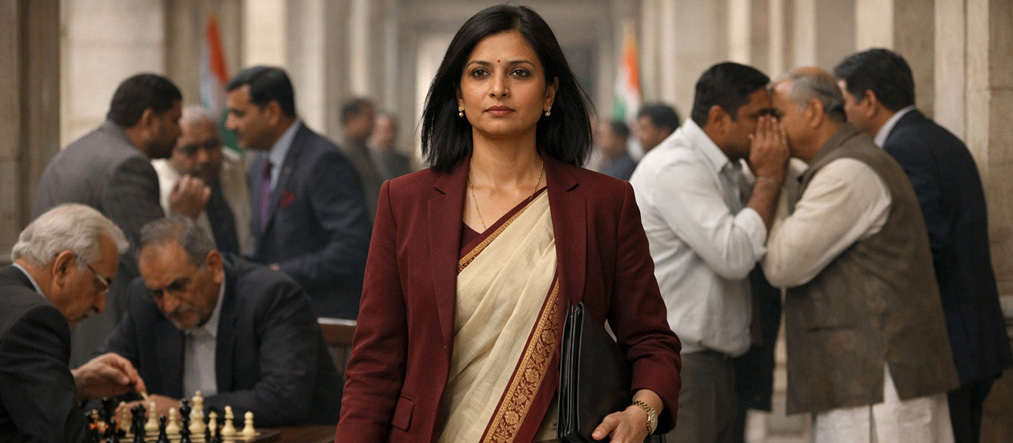
Karthik’s company was the most political organisation he’d ever worked in. Factions aligned around two SVPs. Information was weaponised. Credit was a contact sport. He watched two colleagues get sidelined for backing the wrong faction during a reorganisation. He had no interest in joining either side.
But refusing to engage with the political reality didn’t protect him from it. His project got deprioritised because he had no faction protecting its budget. His promotion was delayed because neither SVP championed his name. Neutrality in a political organisation is not a safe position. It is an undefended one.
The navigation framework has four principles. First: be politically aware without being politically active. Map the factions. Understand who aligns with whom. Know which alliances are forming and dissolving. This isn’t participation. It’s intelligence. You need the map even if you choose not to play the game.
Second: build relationships across factions, not within one. Karthik started having lunch with people from both SVPs’ teams. Not strategically. Genuinely. When the reorganisation came, he wasn’t identified with either camp. He was identified as someone both camps respected. This made him valuable rather than vulnerable.
The goal isn’t to be apolitical. It’s to be politically literate and ethically intact. Understanding the game and playing it are different skills. You need the first one.
Third: make your value independent of factional outcomes. Karthik’s expertise in supply chain was needed by both factions’ projects. When you’re genuinely useful to all sides, no faction benefits from your removal. Your technical value becomes your political protection.
Fourth: document everything. In political organisations, verbal commitments are unreliable. Follow up every meeting with a summary email. Not as a trust issue. As a practice. When priorities shift based on who’s winning the internal competition, having a paper trail protects your work from being reattributed or deprioritised without explanation.
Indian corporate environments have specific political dynamics. The “sir” culture creates vertical allegiances that function like feudal loyalty. The chai circuit operates as an intelligence network. The pre-meeting meeting is where actual alignment happens. Understanding these mechanisms isn’t cynical. It’s literate.
Karthik survived two reorganisations without joining either faction. His projects were funded through both. His reputation was clean. He didn’t avoid politics. He navigated it without it navigating him.
Can you draw the political map of your organisation right now and do you know where you sit on it?
Karthik mapped the factions without joining any. His expertise protected him. What’s protecting you? careers.deliberx.com